
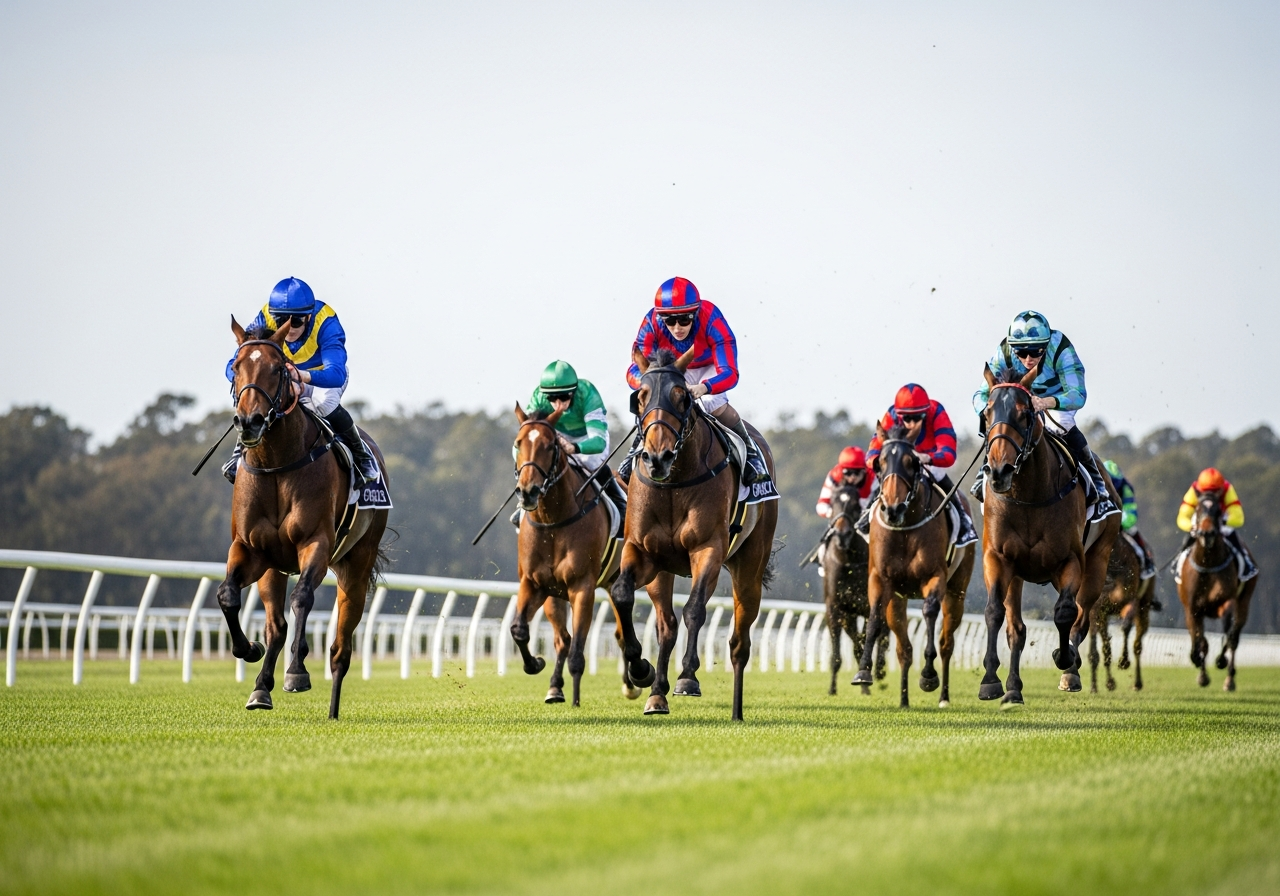
Each-way betting represents one of the most popular wagering strategies in UK horse racing, offering punters a safety net when backing horses at longer odds. An each-way bet consists of two equal stakes: one for your horse to win and another for it to finish in the designated place positions. This dual-component structure means you’ll still receive a payout if your selection finishes second or third, even if it doesn’t win outright.
Understanding place payout fractions is crucial for maximizing your each-way betting returns. The industry operates on standardized terms that determine how many places are paid and at what fractional odds, typically 1/4 or 1/5 of the win odds. These fractions vary based on the number of runners in each race, with handicap races often offering enhanced terms. For example, a £10 each-way bet at 8/1 odds in a race with 1/4 place terms would return £30 (£20 profit plus £10 stake) for a place finish, demonstrating how fractional calculations directly impact your potential returns.
What is an Each-Way Bet?
An each-way bet fundamentally differs from a standard win bet by splitting your stake into two separate wagers of equal value. The first half backs your horse to win the race outright, while the second half covers your selection to finish in one of the designated place positions. This structure provides coverage across multiple finishing scenarios, making it particularly attractive for backing outsiders or horses in competitive fields.
The key distinction from place-only betting lies in the potential for dual payouts. While a place-only bet exclusively covers finishing positions, each-way betting maintains the possibility of collecting both win and place returns if your horse wins. This dual opportunity comes at the cost of doubling your total stake, as you’re effectively placing two separate bets simultaneously.
Consider a practical example: a £5 each-way bet totals £10, with £5 on the win and £5 on the place. If your horse wins at 10/1 odds with 1/4 place terms, you’d collect £55 for the win portion (£50 profit plus £5 stake) and £17.50 for the place portion (£12.50 profit plus £5 stake), totaling £72.50 from your £10 investment.
Win vs Place Payouts
Win payouts reflect the full advertised odds, providing the maximum return potential for your selection. If you back a horse at 12/1 and it wins, your win portion returns exactly those odds regardless of the field size or race type. Place payouts, however, are calculated using fractional reductions of the win odds, typically 1/4 or 1/5 depending on race conditions.
This fractional system significantly impacts your returns. A horse at 20/1 odds with 1/5 place terms would pay 4/1 for a place finish, while the same odds with 1/4 place terms would return 5/1. Understanding these calculations helps you evaluate whether each-way betting offers sufficient value compared to win-only wagers, particularly when backing shorter-priced favorites where place returns may be minimal.
When Each-Way Applies
- Races with 5 or more runners qualify for each-way betting, as fields with 4 or fewer runners operate on win-only terms
- Handicap races typically offer enhanced place terms, including extra place positions and better fractional odds for larger fields
- Major festival races often feature special enhanced terms, extending place payouts to 4th, 5th, or even 6th position
- Non-runner situations can affect place terms, with bookmakers sometimes reducing the number of places paid if the field size drops significantly
- All-weather and turf racing follow identical place term structures, with no distinction between surface types
- Jump racing (National Hunt) and flat racing operate under the same standardized each-way framework
Standard Place Terms by Number of Runners
The number of runners in each race determines both the places paid and the fractional odds applied to place portions of each-way bets. These industry-standard terms ensure consistency across all UK bookmakers, though some operators offer enhanced terms as promotional incentives. Understanding this structure helps you quickly assess the value of each-way opportunities.
Handicap races often provide more generous terms than non-handicap events, particularly in fields exceeding 12 runners. This enhanced treatment reflects the competitive nature of handicap racing, where form analysis becomes more challenging and longer-priced horses carry genuine winning chances.
| Runners | Race Type | Places Paid | Fraction Odds |
|---|---|---|---|
| 1-4 | All Races | Win Only | N/A |
| 5-7 | Non-Handicap | 1st, 2nd | 1/4 |
| 8-11 | Non-Handicap | 1st, 2nd, 3rd | 1/5 |
| 12-15 | Non-Handicap | 1st, 2nd, 3rd | 1/4 |
| 16+ | Non-Handicap | 1st, 2nd, 3rd, 4th | 1/4 |
| 8+ | Handicap | 1st, 2nd, 3rd | 1/5 |
| 12+ | Handicap | 1st, 2nd, 3rd, 4th | 1/4 |
| 16+ | Handicap | 1st, 2nd, 3rd, 4th | 1/5 |
How Place Payout Fractions Work
Place payout fractions determine exactly how much you’ll receive for the place portion of your each-way bet when your horse finishes in a qualifying position. The two most common fractions in UK horse racing are 1/4 and 1/5, which represent the proportion of the original win odds paid for place finishes. These fractions directly multiply against the advertised win odds to calculate your place returns.
The calculation process remains consistent regardless of the original odds format. Whether dealing with fractional odds like 8/1, decimal odds like 9.0, or even odds-on favorites, the fractional reduction applies uniformly. Understanding this mathematical relationship helps you quickly assess the value proposition of any each-way opportunity.
Consider a £10 each-way bet on a 10/1 shot in different scenarios. With 1/4 place terms, your place odds become 2.5/1 (10 ÷ 4), returning £35 total (£25 profit plus £10 stake) for a place finish. Under 1/5 place terms, the same bet would pay 2/1, returning £30 total (£20 profit plus £10 stake). This £5 difference demonstrates why checking place terms before betting is essential.
1/4 Odds Calculation
The 1/4 fraction calculation follows a simple formula: divide the win odds by 4 to determine your place odds. For fractional odds, this means converting something like 12/1 into 3/1 (12 ÷ 4 = 3). For decimal odds, subtract 1, divide by 4, then add 1 back – so 13.0 becomes 4.0 ((13-1) ÷ 4 + 1).
This 1/4 reduction typically applies to smaller fields and handicap races with competitive field sizes. A £20 each-way bet at 16/1 with 1/4 terms would return £80 for the place portion (4/1 odds × £20), plus your £20 stake, totaling £100. The calculation remains consistent whether your horse finishes second, third, or fourth in qualifying races.
1/5 Odds Calculation
Under 1/5 place terms, you divide the win odds by 5 to calculate place returns. A 20/1 shot becomes 4/1 for place purposes (20 ÷ 5 = 4), while a 25/1 outsider pays 5/1 for a place finish. This fraction commonly applies to larger fields where the place portion carries reduced value due to increased competition.
The 1/5 calculation proves particularly relevant in big-field handicaps and competitive non-handicap races. Using our 20/1 example with a £5 each-way bet: your place portion would return £25 (4/1 × £5) plus your £5 stake, totaling £30 for a qualifying finish. While less generous than 1/4 terms, this still provides substantial returns when backing longer-priced selections.
Handicap Races: Extra Places and Better Fractions
Handicap races receive preferential each-way treatment due to their competitive nature and the difficulty of identifying clear favorites. These events feature horses carrying different weights designed to equalize winning chances, creating scenarios where longer-priced runners carry genuine possibilities. Bookmakers recognize this competitive balance by offering enhanced place terms that increase your chances of collecting returns.
The enhanced terms become particularly attractive in large-field handicaps, where 12 or more runners can trigger additional place positions. Major handicaps like the Grand National, Cambridgeshire, or big Saturday handicaps often feature fields exceeding 20 runners, maximizing the benefits of enhanced each-way terms for punters willing to back outsiders.
| Runners (Handicap) | Places | Fraction | Example Race |
|---|---|---|---|
| 8-11 | 3 Places | 1/5 | Maiden Handicap |
| 12-15 | 4 Places | 1/4 | Saturday Handicap |
| 16-23 | 4 Places | 1/4 | Cambridgeshire |
| 24+ | 5 Places | 1/4 | Grand National |
| 30+ | 6 Places | 1/5 | Festival Handicaps |
Why Handicaps Receive Better Terms
The competitive nature of handicap racing justifies enhanced each-way terms due to the inherent unpredictability these events create. Official handicappers assign weights designed to give every runner a theoretical equal chance of winning, making form analysis more complex and creating opportunities for longer-priced horses to outperform market expectations. This leveling effect encourages each-way betting by increasing the likelihood that outsiders will finish in place positions.
Each-Way Betting Examples
- Place a £10 each-way bet (total stake £20) on a 12/1 shot in a 14-runner handicap with 1/4 place terms covering 4 places
- Calculate win returns: if your horse wins, collect £120 profit plus £10 stake = £130, plus £40 place profit plus £10 stake = £50, totaling £180
- Calculate place-only returns: if your horse finishes 2nd, 3rd, or 4th, collect place portion only at 3/1 odds (12/1 ÷ 4)
- Your place return equals £30 profit (3/1 × £10) plus £10 stake = £40 total from your £20 investment
- Compare this to a losing win-only bet: a £20 win-only stake on the same 12/1 shot returns nothing if the horse finishes 2nd
- Assess value: the place portion provides insurance worth £40, representing 100% return on your total stake even without winning
- Consider opportunity cost: your additional £10 place stake could have been used for another win bet, requiring evaluation of relative value
Place-Only Scenario Analysis
When your selection finishes in a place position without winning, you collect returns only from the place portion of your each-way bet. This scenario often provides the emotional satisfaction of a winning bet while demonstrating the insurance value of each-way betting. Understanding place-only mathematics helps you appreciate why each-way betting appeals to punters backing longer-priced selections in competitive fields.
Dead Heat Situations
Dead heats complicate each-way calculations by dividing returns based on the number of horses tying for position. If two horses dead heat for second place in a three-place race, each place bet receives half the normal return. This rule affects both the place portion calculations and the number of remaining places paid, requiring careful attention to final race results and official declarations.
Enhanced Terms in Major Races
Major racing festivals and prestigious handicaps frequently feature enhanced each-way terms that extend beyond standard industry minimums. Events like the Grand National, Royal Ascot handicaps, and Cheltenham Festival races often pay 5, 6, or even more places, while maintaining generous 1/4 fractional odds. These enhancements reflect the competitive nature of elite racing and the marketing value of attracting recreational punters to high-profile events.
The Grand National exemplifies enhanced each-way opportunities, typically paying 5 places at 1/4 odds for its 40-runner field. This enhancement means horses finishing 5th still generate returns, compared to standard 4-place terms that would apply to most races of similar size. Enhanced terms create additional value for each-way betting strategies, particularly when backing outsiders in these premier events.
Enhanced terms extend beyond just additional places to sometimes include improved fractional odds. Special promotions might offer 1/3 place odds instead of the standard 1/4, or extend place payments to unprecedented numbers of finishers. Major bookmakers compete on enhanced terms as promotional tools, creating opportunities for savvy punters to maximize their each-way betting value during festival periods and big race days.
Festival Racing Opportunities
Racing festivals concentrate enhanced each-way opportunities into concentrated periods, creating optimal conditions for each-way betting strategies. Cheltenham, Royal Ascot, Goodwood, and Aintree festivals typically feature multiple enhanced-term races daily, allowing punters to structure portfolios around improved place terms. These concentrated opportunities justify focusing each-way betting activity around major festival periods when standard terms receive regular enhancement.
Place Terms for Small Fields
- Fields with 1-4 runners operate on win-only terms, eliminating each-way betting opportunities entirely
- 5-7 runner fields qualify for 2-place terms at 1/4 odds, providing minimal each-way value particularly for shorter-priced favorites
- Non-runner declarations can reduce field sizes below each-way thresholds, with bookmakers sometimes reducing place terms accordingly
- Morning non-runners in small fields may eliminate each-way opportunities entirely, converting existing each-way bets to win-only terms
- Late withdrawals after betting has commenced typically trigger rule-based adjustments to remaining runners’ odds and place terms
Non-Runner Impact Management
Non-runner situations significantly impact each-way betting, particularly in smaller fields where withdrawals can eliminate place terms entirely. Bookmakers apply specific rules when non-runners reduce field sizes below each-way thresholds, typically converting existing each-way bets to win-only terms and applying deductions to remaining runners’ odds. Understanding these rules helps you anticipate how morning withdrawals might affect your each-way positions.
Tips for Each-Way Betting Success
- Always verify place terms before betting, as enhanced terms and field size changes can significantly impact potential returns
- Focus on handicap races where competitive balance creates better opportunities for longer-priced horses to finish in place positions
- Target larger fields where additional place positions increase your chances of collecting returns from the place portion
- Calculate minimum winning odds required to justify each-way betting versus win-only stakes, typically around 4/1 or longer
- Monitor non-runner markets closely, as withdrawals can eliminate each-way opportunities or trigger unfavorable rule applications
- Consider enhanced terms during major festivals as opportunities to maximize each-way betting value with improved conditions
- Manage stakes carefully by remembering each-way bets double your total investment compared to equivalent win-only stakes
Bankroll Management for Each-Way Betting
Effective each-way betting requires careful bankroll management due to the doubled stake requirement inherent in this betting style. Your each-way stakes should represent half your intended total investment, ensuring you maintain consistent exposure levels compared to win-only betting. This approach prevents each-way betting from inflating your overall risk profile while maintaining the insurance benefits that make this strategy attractive for backing longer-priced selections in competitive racing scenarios.
Value Assessment Techniques
Successful each-way betting demands systematic value assessment that considers both win probabilities and place chances across different field sizes and racing conditions. Calculate break-even scenarios by determining the minimum place finish frequency required to justify each-way stakes versus alternative betting strategies. This mathematical approach helps identify when each-way betting offers genuine value rather than simply providing emotional insurance for uncertain outcomes.